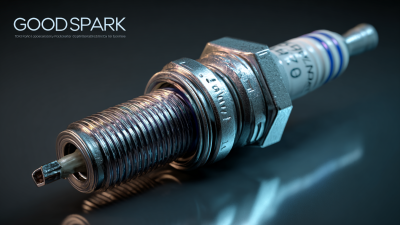
The world of cars is constantly changing, and one area that's really catching everyone's attention is the Engine Aftermarket. You've probably heard some stats—according to a recent report from MarketsandMarkets, the global auto aftermarket is expected to jump from $390 billion in 2022 to around $477 billion by 2026. And a big part of that growth? The Engine Aftermarket, no doubt. What’s driving all this? Well, more and more people, whether they’re car enthusiasts or just your everyday drivers, are eager to boost their vehicles’ performance and unlock more potential from their engines.
John Smith, a well-known figure in the engine aftermarket scene, puts it simply: "Upgrading your engine aftermarket parts not only makes your car faster but also makes driving way more enjoyable." And honestly, that really hits home with a lot of gearheads and regular drivers alike, who are keen to take advantage of all the cool tech and new innovations out there. Upgrading to high-performance parts or tuning your engine can seriously boost horsepower, torque, and overall efficiency—pretty tempting, right?
As we dive into the top 10 engine upgrades out there, we’ll see just how much these enhancements can totally change the game for anyone looking to make their ride a bit more exciting. From better air intakes to advanced ECU tuning, understanding what each upgrade does helps folks make smarter choices about their mods. The Engine Aftermarket isn’t just about performance—it’s about customizing and personalizing your ride to make driving more fun and uniquely yours. It’s truly a showcase of automotive creativity at its best.
Understanding Engine Aftermarket Upgrades and Their Benefits
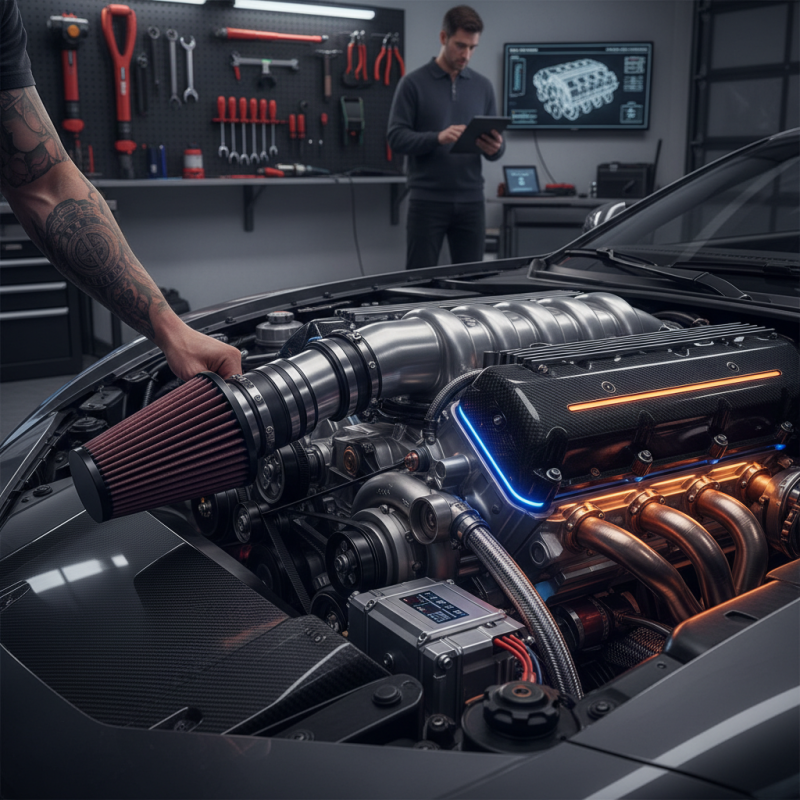
Upgrading your engine through aftermarket modifications can significantly enhance your vehicle's performance. These upgrades can increase horsepower, improve fuel efficiency, and provide a more dynamic driving experience. Common aftermarket enhancements include performance air filters, upgraded exhaust systems, and tuning chips. Each of these components has the potential to unlock hidden power in your engine and improve throttle response, thus making your ride not only faster but also more engaging.
When considering engine upgrades, it’s essential to choose components that work well together to avoid compatibility issues. Proper installation is key; poorly executed upgrades can lead to subpar performance or, worse, damage to the engine. Regular maintenance and tuning after installation will ensure optimal performance and longevity of your upgrades.
Tips: Always research your options thoroughly and consult with experienced professionals before making any modifications. Additionally, be mindful of your vehicle’s existing systems and their capabilities; balance modifications with overall vehicle performance. For example, if you upgrade the engine, consider enhancing the brake system concurrently to maintain safety. Remember, a well-rounded approach to performance upgrades yields the best results.
Popular Engine Components for Enhanced Performance
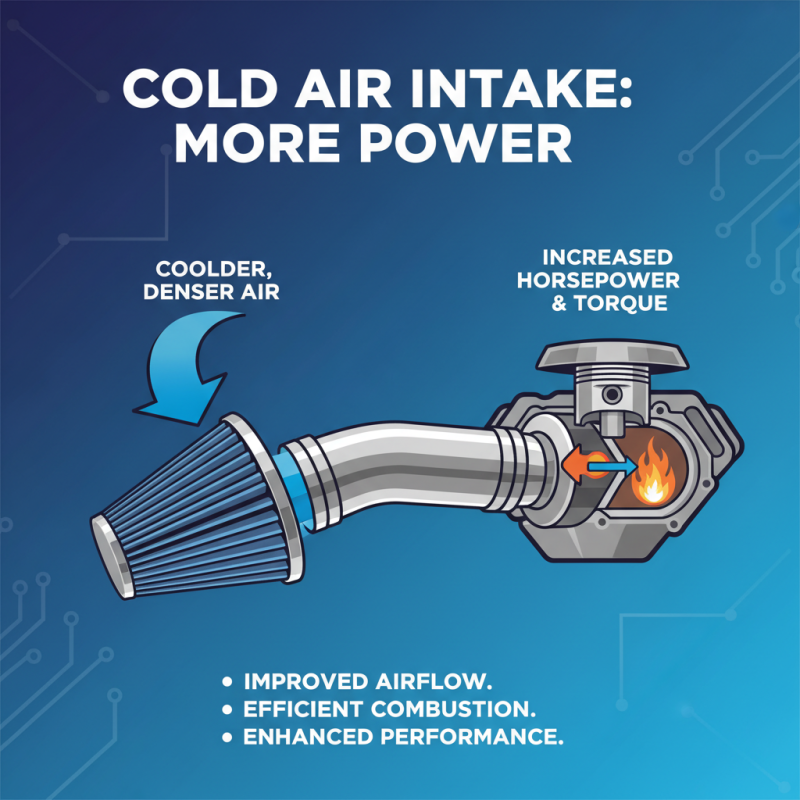
When it comes to enhancing vehicle performance, certain engine components stand out for their capacity to elevate horsepower and torque. One of the most popular upgrades is the cold air intake system, which improves airflow to the engine. By increasing the volume and reducing the temperature of the incoming air, these systems allow for more efficient combustion, resulting in improved engine performance.
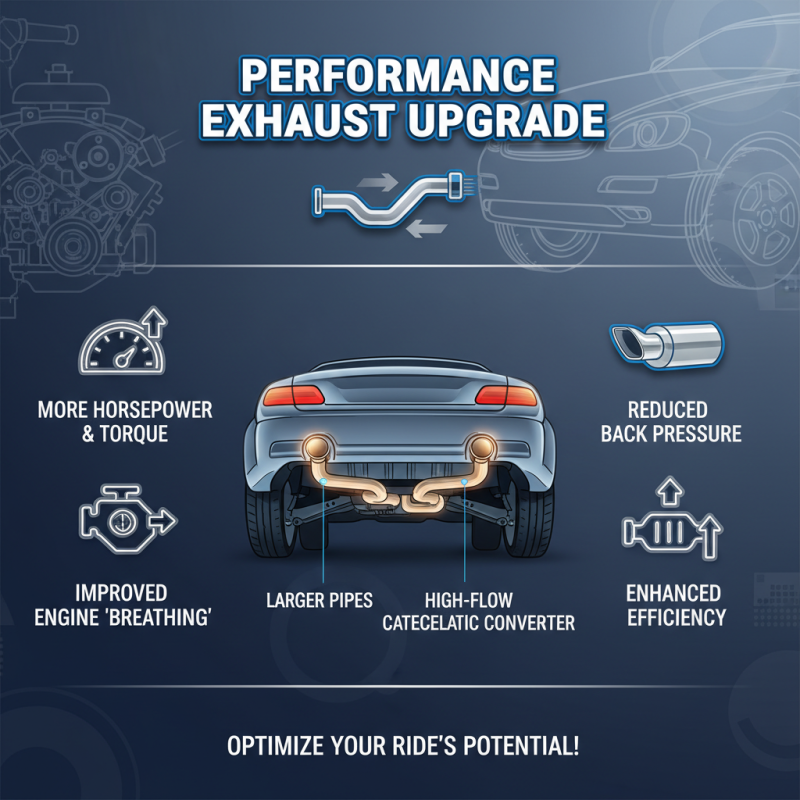
Another essential component is the performance exhaust system. Upgrading the exhaust allows for better airflow, reducing back pressure, and enhancing engine efficiency. This modification can lead to improved throttle response and a more aggressive sound, appealing to many enthusiasts. Alongside exhaust systems, high-performance camshafts can modify the timing and duration of valve openings, significantly boosting power output and engine responsiveness across various RPM ranges. Each of these components plays a crucial role in improving overall vehicle performance, making them popular choices among automotive enthusiasts.
High-Performance Air Intakes and Their Impact on Engine Efficiency
High-performance air intakes play a crucial role in enhancing engine efficiency by optimizing the airflow to the engine. When an engine receives a higher volume of clean air, it can combust fuel more efficiently, which translates to increased power output and improved throttle response. According to a report by the Specialty Equipment Market Association (SEMA), vehicles equipped with upgraded air intake systems can see performance gains ranging from 5% to 15%, depending on the make and model of the vehicle. This increase in efficiency is primarily due to the reduced intake restrictions and enhanced air filtration capabilities that high-performance systems provide.
In addition to power boosts, the implementation of high-performance air intakes significantly contributes to overall engine longevity. Improved airflow not only helps in combustion but also aids in maintaining optimal operating temperatures. A study conducted by the Engine Manufacturers Association indicates that vehicles utilizing advanced air intake technologies can exhibit up to 20% less wear on engine components over time. The result is not only enhanced performance but also a longer lifespan for the engine, making it a valuable investment for automobile enthusiasts seeking both immediate power upgrades and sustainable long-term benefits.
Upgrading Exhaust Systems for Improved Power and Sound
Upgrading exhaust systems is one of the most effective aftermarket enhancements to boost vehicle performance. A well-designed exhaust system optimizes the flow of exhaust gases from the engine, which reduces back pressure and allows for better engine breathing. This improvement can lead to noticeable gains in horsepower and torque, making your vehicle more responsive and powerful. Additionally, a performance exhaust often includes larger pipes and high-flow catalytic converters, which contribute to a more efficient operation and improved overall performance.
Beyond just performance metrics, upgrading to a premium exhaust system can significantly enhance the auditory experience of your vehicle. Many enthusiasts seek a more aggressive sound profile that emphasizes the character of their engine. A custom exhaust can transform a quiet ride into a thrilling auditory experience, providing a satisfying growl or rumble that resonates with performance. Thus, selecting the right materials and design can ensure that you achieve not only improved power but also a sound that reflects the passion behind your driving experience.
Tuning Options: ECU Remapping for Optimal Vehicle Performance
ECU remapping, also known as engine tuning, is one of the most effective aftermarket upgrades that vehicle owners can utilize to enhance performance. By modifying the software of the Engine Control Unit (ECU), drivers can optimize various parameters such as fuel-air mixture, ignition timing, and boost pressure in turbocharged engines. According to a report from the Society of Automotive Engineers (SAE), effective tuning through remapping can yield power gains of up to 25% in certain vehicles, significantly boosting both horsepower and torque.
The benefits of ECU remapping extend beyond mere power increases; it can also improve fuel efficiency and driveability. Research indicates that, with proper tuning, users can achieve a 10-15% improvement in miles per gallon (MPG) under standard driving conditions. This is particularly appealing to those seeking a balance between performance and efficiency, as it allows for a sportier driving experience without sacrificing economical fuel use. Furthermore, older vehicles that have been remapped often experience revitalized engine response and smoother acceleration, enhancing the overall driving dynamics.
As technology continues to evolve, the methods and tools for ECU remapping have become increasingly sophisticated. With the advent of advanced diagnostic equipment, tuners can now deliver tailor-made solutions that suit individual driving styles and performance goals. Industry reports suggest that the growing market for performance tuning is also driven by consumer interest in sustainable automotive practices, as modifying existing vehicles can extend their lifespan and reduce the environmental impact associated with new car production.
High-Performance Fuel Injectors: How They Enhance Engine Output
High-performance fuel injectors are essential upgrades for enthusiasts looking to enhance engine output and overall vehicle performance. By providing a more precise fuel atomization and improved flow rates, these injectors can significantly optimize combustion efficiency. According to a study by the Society of Automotive Engineers, high-performance fuel injectors can improve power output by up to 15% when used in conjunction with upgraded intake and exhaust systems. This boost in horsepower translates into a more responsive driving experience, making it a worthwhile investment for many vehicle owners.
When considering an upgrade to fuel injectors, it’s essential to assess the engine's specific needs and performance goals. Selecting the appropriate injector size and type based on the engine’s airflow and desired power level can dramatically influence performance. For instance, injectors that are too large can lead to poor fuel atomization and increased emissions, while those that are too small may restrict power gains.
Tips: Always pair your fuel injector upgrade with a proper tuning of the engine management system. This ensures that the vehicle’s fuel-to-air ratio is optimized, thereby maximizing the benefits of the new injectors. Additionally, regularly inspect and maintain your fuel system to prevent any issues that could negate the performance enhancements sought through these upgrades. Emphasizing maintenance can ensure longevity and reliability in your vehicle's performance enhancements.
Top 10 Engine Aftermarket Upgrades for Enhanced Vehicle Performance
This chart illustrates the impact of various aftermarket upgrades on engine performance. The upgrades are compared based on their estimated percentage increase in horsepower and torque.
The Role of Turbochargers and Superchargers in Engine Upgrades
Turbochargers and superchargers have revolutionized automotive performance, offering notable enhancements in power output and efficiency. According to data from industry experts, vehicles equipped with forced induction systems can see significant increases in horsepower—often ranging from 20% to 50% compared to naturally aspirated engines. For example, a turbocharger operates by harnessing exhaust gases to spin a turbine, which compresses incoming air and boosts engine performance. This increase in air density allows for more fuel to be burned, leading to enhanced power without a proportional increase in engine size.
Superchargers, on the other hand, are mechanically driven by the engine and provide immediate power boosts, especially noticeable in low RPMs. Reports indicate that supercharged engines can deliver up to 30% more power, significantly enhancing acceleration and responsiveness. Both systems are appealing to performance enthusiasts looking to maximize the capabilities of their vehicles, with the global market for turbochargers alone expected to grow at a CAGR of 10.5% through 2027, driven by the rising consumer demand for increased horsepower and better fuel efficiency in aftermarket upgrades.
Integrating either a turbocharger or supercharger into an existing engine setup requires careful consideration of supporting components, such as intercoolers and exhaust systems, to ensure optimal performance and reliability. With advancements in technology, tuners can now calibrate engine management systems to operate seamlessly with these upgrades, allowing drivers to experience the full potential of their vehicles while maintaining longevity and operational integrity. This blend of power and efficiency has made forced induction systems a staple in the aftermarket performance landscape.
Top 10 Engine Aftermarket Upgrades for Enhanced Vehicle Performance
| Upgrade Type | Benefit | Estimated Performance Increase | Compatibility |
| Turbocharger | Increases engine airflow, boosting horsepower | 20-50% HP increase | Various gasoline and diesel engines |
| Supercharger | Provides instant power boost from lower RPMs | 20-40% HP increase | Suitable for performance cars |
| Cold Air Intake | Improves engine efficiency and airflow | 5-15% HP increase | Most gasoline engines |
| High-Performance Exhaust System | Enhances exhaust flow and sound | 5-15% HP increase | Most vehicle models |
| ECU Tune | Optimizes engine performance via software | 10-30% HP increase | Broad compatibility |
| High-Performance Camshaft | Improves power band and torque | 10-20% HP increase | Performance builds |
| Improved Fuel Injectors | Enhances fuel delivery for better combustion | 5-10% HP increase | Various engines |
| Performance Ignition System | Improves combustion efficiency | 5-15% HP increase | Wide application |
| Lightweight Flywheel | Reduces engine inertia for quicker acceleration | Up to 10% HP increase | Performance vehicles |
| High-Flow Catalytic Converter | Improves exhaust flow and emissions | 5-10% HP increase | Most vehicles |
FAQS
: Aftermarket modifications can significantly enhance a vehicle's performance by increasing horsepower, improving fuel efficiency, and providing a more engaging driving experience.
Common aftermarket upgrades include performance air filters, upgraded exhaust systems, and tuning chips, each designed to unlock additional power and improve throttle response.
Proper installation is crucial as poorly executed upgrades can lead to subpar performance or even damage the engine.
Regular maintenance and tuning after installation are essential to ensure the optimal performance and longevity of your engine upgrades.
Yes, it is important to thoroughly research your options and consult with experienced professionals to avoid compatibility issues and ensure optimal performance.
It is important to balance modifications with your vehicle's overall performance; for instance, if you upgrade the engine, consider enhancing the brake system to maintain safety.
Turbochargers can increase horsepower by 20% to 50%, while superchargers can deliver up to 30% more power, significantly enhancing acceleration and responsiveness.
When integrating either system, consider supporting components like intercoolers and exhaust systems to ensure optimal performance and reliability.
Advancements in technology allow tuners to calibrate engine management systems for seamless operation with upgrades, maximizing performance while ensuring reliability.
The global market for turbochargers is expected to grow significantly, driven by increasing consumer demand for enhanced horsepower and fuel efficiency in aftermarket upgrades.
Conclusion
Engine aftermarket upgrades have become increasingly popular among automotive enthusiasts looking to enhance their vehicle's performance. These upgrades can significantly improve various aspects of engine efficiency and power output. Key components include high-performance air intakes, which optimize airflow and increase combustion efficiency, and upgraded exhaust systems that not only boost power but also enhance the engine's sound.
Additionally, tuning options like ECU remapping allow for personalized adjustments to maximize performance based on individual driving needs. High-performance fuel injectors play a crucial role in enhancing engine output, while turbochargers and superchargers are pivotal in improving engine power by increasing air intake. Overall, these engine aftermarket enhancements can transform a standard vehicle into a high-performance machine, providing drivers with a more exhilarating driving experience.